Xi's U.S. visit: Red‑carpet welcome, limited gains
Chinese President Xi Jinping returned to the United States to a warm reception, yet the talks fell short of the trade, technology and Taiwan objectives he set out to achieve.

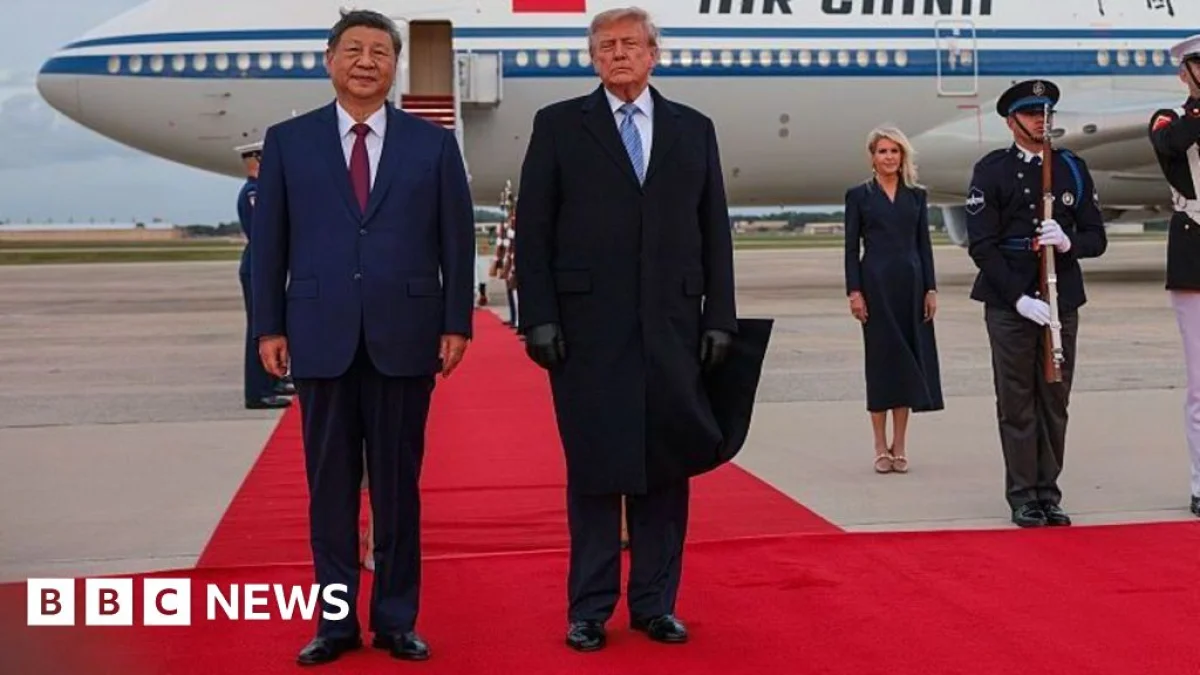
Chinese President Xi Jinping arrived in Washington, D.C. on a high‑profile visit that was met with a ceremonial welcome from U.S. officials and a flurry of media attention. However, the discussions that followed did not deliver the progress on trade, technology and Taiwan that Beijing had hoped for, according to reports from BBC News.
A Warm Reception
Xi's arrival was marked by a red‑carpet ceremony at the White House, a traditional gesture of diplomatic respect. U.S. officials greeted him with a brief speech, and the event was broadcast across multiple news outlets. The ceremony underscored the United States’ willingness to engage with China on a range of issues, despite ongoing tensions.
Trade Talks Stall
Trade was a central theme of the visit, as China sought to reduce tariffs and secure more favorable terms for its exporters. Despite the cordial tone of the welcome, the negotiations did not yield significant concessions. According to BBC News, China’s expectations for a comprehensive trade package were not met, leaving many of its demands on tariff reductions and market access unanswered.
Technology Restrictions Persist
Technology transfer and intellectual property rights were also high on the agenda. Beijing aimed to secure clearer rules for the export of advanced technologies, especially in the areas of artificial intelligence and semiconductor manufacturing. The U.S. side reiterated its existing restrictions and expressed concerns over national security. As reported, no new agreements were reached, and the status quo of technology controls remains unchanged.
Taiwan Issues Remain Unresolved
Perhaps the most sensitive topic was Taiwan. China has long demanded that the United States refrain from official contacts with the island and reduce military support. During the visit, Xi reiterated these demands, but the U.S. reaffirmed its commitment to the Taiwan Relations Act and its policy of strategic ambiguity. BBC News notes that the discussion ended without any shift in U.S. policy towards Taiwan.
What to Watch Next
The outcomes of Xi’s visit will likely shape the trajectory of U.S.-China relations over the coming months. Analysts suggest that the lack of breakthroughs on trade, technology and Taiwan could lead to a recalibration of diplomatic strategies on both sides. Future negotiations may focus on incremental steps rather than sweeping reforms. Observers will be watching for any subsequent policy announcements from the White House and the State Department, as well as responses from Beijing’s Ministry of Commerce and the Ministry of Foreign Affairs.
For further updates, follow the original BBC News coverage.
Reviewed by a JamiiTek editor before publishing. AI tools help with research and first drafts; people check the facts and write the analysis. Our editorial policy & corrections