Dangote backs $660m fuel pipeline linking Ethiopia to Djibouti
Nigeria's Aliko Dangote is backing a $660 million fuel pipeline that will link Ethiopia to Djibouti, boosting energy security for the landlocked country and creating jobs at the port.

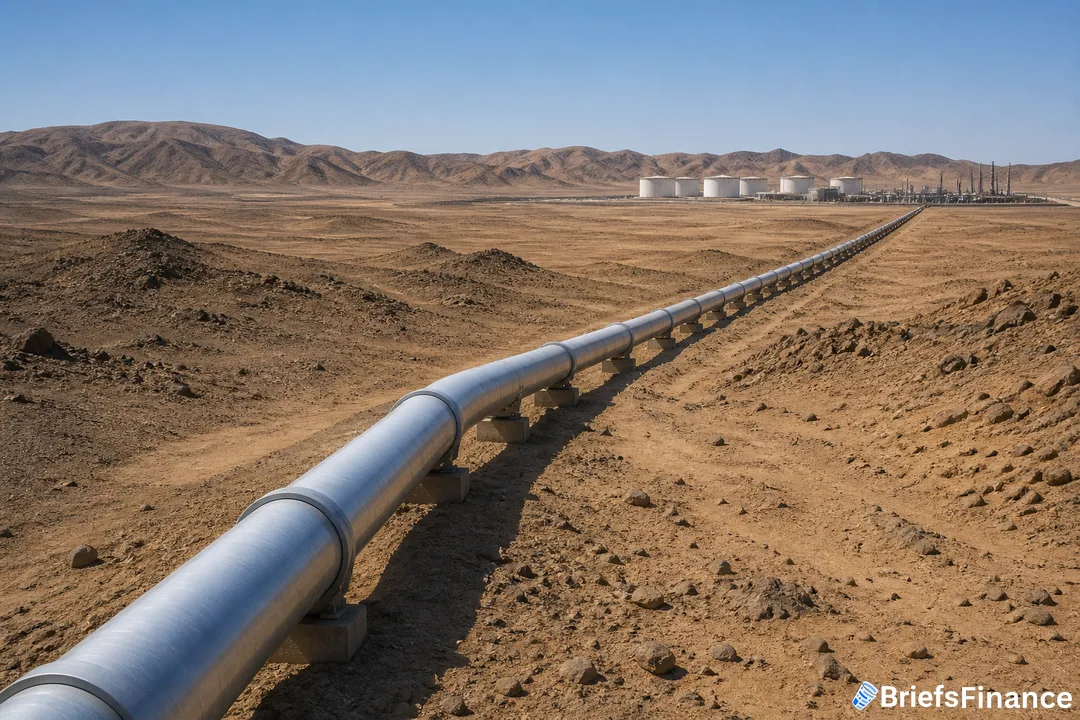
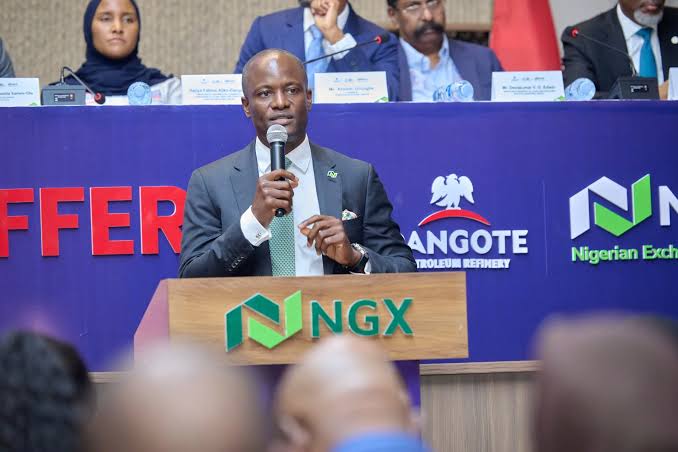
Aliko Dangote, Africa’s richest man, has pledged funding for a $660 million fuel pipeline that will connect Ethiopia to Djibouti’s port, according to a report by BBC News. The project is expected to strengthen Ethiopia’s energy security and generate employment opportunities in Djibouti’s growing maritime sector.
Project Overview
The pipeline will run from Ethiopia’s western border to the port of Djibouti, providing a direct route for refined petroleum products into the landlocked country. The investment is aimed at reducing Ethiopia’s dependence on fuel imports that currently travel overland through multiple transit routes, which are costly and vulnerable to disruptions.
Economic Impact
Reports indicate that the pipeline will create jobs at Djibouti’s port, where workers will be needed for construction, maintenance and logistics. The increased capacity is also expected to lower fuel costs for Ethiopian consumers and businesses, potentially stimulating economic growth across the region.
Regional Significance
By linking Ethiopia to Djibouti’s deep-water port, the pipeline will provide a stable supply chain for a key regional player. The project is seen as a strategic move to enhance energy security for Ethiopia, which relies heavily on imported fuel to power its expanding industrial and transportation sectors.
Stakeholder Engagement
While the exact partners involved in the construction phase have not been publicly disclosed, the project will likely involve collaboration between the Ethiopian government, the Djiboutian authorities and private sector investors. The involvement of Dangote, a prominent businessman with extensive experience in infrastructure projects across Africa, is expected to attract further investment and expertise.
What to Watch Next
Key developments to monitor include the formal signing of agreements between the governments, the selection of contractors, and the timeline for the pipeline’s construction and commissioning. The project’s progress will also be influenced by regional security conditions and the availability of financing from international development institutions.
“The pipeline will not only secure fuel supplies for Ethiopia but also create jobs at Djibouti’s port, fostering regional economic integration.” – Reported by BBC News.
For further updates, follow the original BBC News story.
Reviewed by a JamiiTek editor before publishing. AI tools help with research and first drafts; people check the facts and write the analysis. Our editorial policy & corrections