Dangote Tests Market for Nigerian Startup Exits
Dangote's potential involvement in a Nigerian public offering could signal that sufficient capital exists for startups to exit, offering a new scale of liquidity for founders and investors.

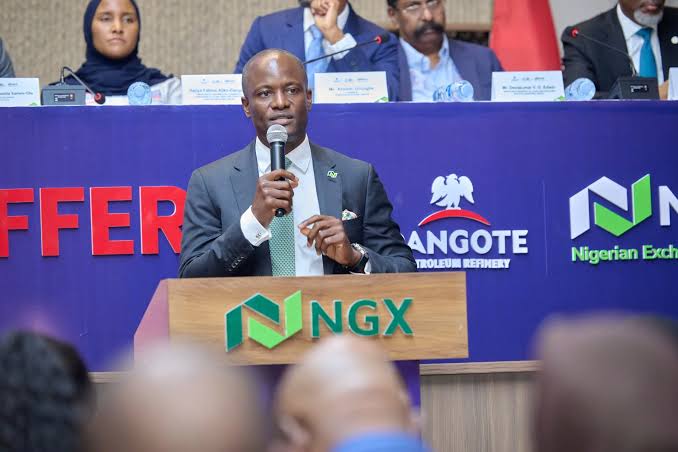
In a move that could reshape the Nigerian tech ecosystem, Dangote is reportedly exploring the feasibility of injecting substantial retail and institutional capital into a local public offering. If successful, the initiative would provide founders and investors with unprecedented evidence that a deep enough pool of Nigerian capital exists at the end of the startup lifecycle.
Dangote’s Foray into Nigerian Capital Markets
Dangote, Africa’s largest conglomerate, has long been a dominant player in Nigeria’s industrial and consumer sectors. The latest reports suggest that the group is testing the market for a public offering that would bring together retail and institutional investors. While specific details remain confidential, the underlying objective appears clear: to demonstrate that Nigerian investors can support large‑scale exits for tech companies.
Implications for the Startup Ecosystem
For the first time, Nigerian founders may have a viable exit route that does not rely on overseas acquisitions or private equity buyouts. According to TechCabal, “if Dangote can bring substantial retail and institutional money into a Nigerian public offering, it could provide something founders and investors have never had at scale.” This could signal a maturation of the local capital markets, encouraging more founders to build for exit rather than merely for growth.
Liquidity for Founders and Investors
The prospect of a domestic IPO backed by a conglomerate of Dangote’s stature would provide liquidity for early investors and founders, potentially reducing the need to seek exit opportunities abroad. It could also lead to higher valuations for companies that reach the public offering stage, as the market would be seen as more robust and capable of supporting large trades.
What This Means for Founders and Investors
While the exact mechanics of the proposed offering remain undisclosed, the broader implications are evident:
- Validation of Market Depth: A successful offering would confirm that Nigerian retail and institutional investors possess the appetite and capacity for sizeable tech investments.
- Increased Confidence: Startups may feel emboldened to pursue long‑term growth strategies, knowing that a credible exit pathway exists.
- Competitive Edge: Companies that position themselves for a public offering could attract better talent and partnerships, leveraging the perceived stability of a local exit route.
Next Steps and Watchpoints
Stakeholders will need to monitor several key developments:
- Regulatory approval from the Securities and Exchange Commission (SEC) and the Nigerian Stock Exchange (NSE).
- The structuring of the offering, including the proportion of retail versus institutional participation.
- Market reception to the prospect of a Dangote‑backed IPO, which could influence investor sentiment across the region.
According to TechCabal, the move could mark the first time that a conglomerate of Dangote’s scale has taken a direct interest in the exit pathways of local tech startups.
While the initiative remains in its exploratory phase, the potential for a landmark public offering could set a new precedent for how Nigerian startups approach their exit strategies. The outcome will likely be closely watched by entrepreneurs, venture capitalists, and regulators alike, as it may redefine the financial landscape for technology firms in the country.
Readers should follow the original source for developing details.
What this means for Tanzanian businesses
For Tanzanian startups, the development highlights a gap that local founders and investors may increasingly need to address: creating stronger pathways for companies to raise large amounts of capital and eventually provide returns to early investors. A deeper local capital market could give growing technology companies more options beyond relying on foreign investors or acquisition deals. For founders, the lesson is to build with long-term financial discipline, including proper records, transparent ownership structures and sustainable revenue models. These factors can become increasingly important as Tanzania’s startup ecosystem develops and seeks larger pools of institutional capital.
- Will this move attract more institutional investors to Nigerian IPOs?
- What impact could this have on the valuation of tech startups in Nigeria?
- How might Nigerian founders prepare for a potential exit pathway?
Reviewed by a JamiiTek editor before publishing. AI tools help with research and first drafts; people check the facts and write the analysis. Our editorial policy & corrections