Building African‑Language AI Easier Than Finding the Data
A lack of African‑language text threatens AI development that reflects the continent’s linguistic diversity, TechCabal reports.

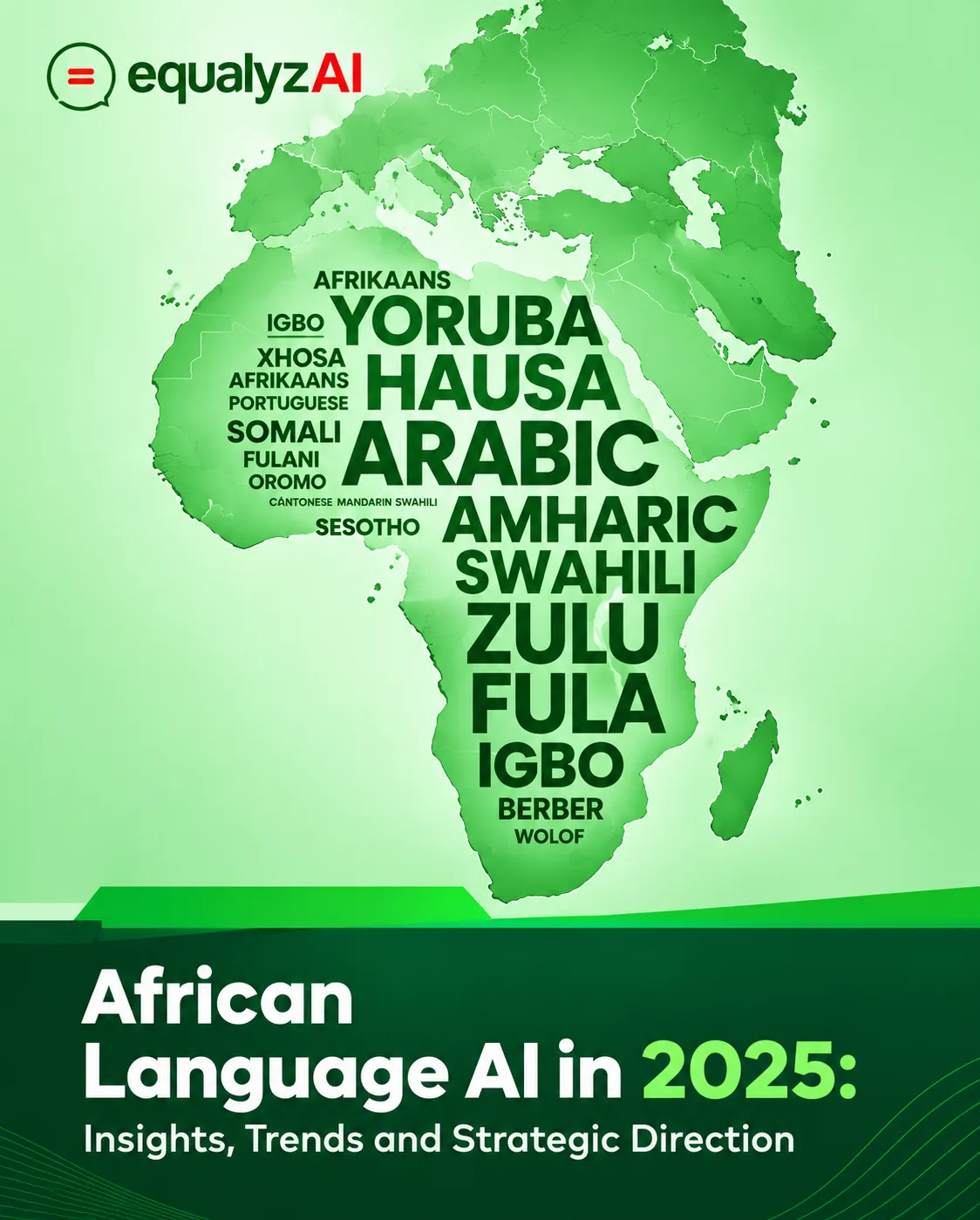
TechCabal reports that the scarcity of African‑language text data poses a significant barrier to the creation of AI tools that accurately represent the continent’s rich linguistic tapestry. The shortage means that many African languages remain under‑represented in machine learning models, limiting the reach and relevance of AI applications across East Africa and beyond.
Why Data Matters for AI
Artificial intelligence systems rely on vast amounts of text to learn patterns, grammar, and context. Without sufficient training data, models struggle to understand nuances, leading to inaccurate outputs or outright failure to process certain languages. This is particularly acute for African languages, many of which have limited digital footprints.
The Current State of African Language Data
According to TechCabal, most existing datasets are dominated by a handful of widely spoken languages such as Swahili, Hausa, and Amharic. Numerous regional languages lack even basic corpora, and the available data is often fragmented, informal, or of low quality. This imbalance hampers the development of robust, multilingual AI systems that can serve diverse user bases.
Implications for AI Development in East Africa
AI tools that fail to accommodate local languages risk alienating large segments of the population. For businesses, this means missed opportunities in customer engagement, e‑commerce, and digital services that rely on natural language processing. For governments, it can impede the delivery of public services and civic technology that require language‑specific interfaces.
Potential Pathways Forward
- Community‑Driven Corpus Creation: Encouraging local communities to contribute written content can gradually build larger, more diverse datasets.
- Collaboration with Educational Institutions: Universities and research centers can spearhead annotated corpora projects, leveraging academic expertise.
- Open‑Source Initiatives: Platforms that host shared datasets can lower the barrier for developers and researchers to access and improve language resources.
- Government Support: Policies that promote digital literacy and data collection in regional languages can accelerate progress.
What to Watch Next
TechCabal will continue to monitor developments in African language AI, including new data‑collection projects and partnerships between tech firms and local stakeholders. Stakeholders are encouraged to track emerging datasets and model releases that aim to bridge the linguistic gap.
For developing details, follow TechCabal.
What this means for Tanzanian businesses
The shortage of high-quality African-language data presents both a challenge and an opportunity for Tanzania. With Swahili widely used across Tanzania and the wider East African region, businesses have an opportunity to develop AI tools that understand local language, terminology and communication styles more accurately.
For Tanzanian businesses, better Swahili-language AI could improve customer service, e-commerce, digital marketing, education platforms and automated support systems. Businesses could use AI assistants that communicate with customers in natural Swahili instead of relying entirely on English-based systems that may not capture local expressions and context accurately.
Technology companies and developers can also contribute by building high-quality, responsibly collected Swahili datasets. This could include customer-service conversations with appropriate consent, educational materials, product descriptions, frequently asked questions and other language resources. Proper privacy protection and permissions would be essential when creating such datasets.
Universities, researchers and technology companies could further collaborate on language datasets, speech recognition, translation tools and local-language AI models. These efforts would not only support research but could create new commercial opportunities for developers building solutions specifically for the Tanzanian and wider East African market.
For entrepreneurs, the opportunity is to view local-language AI as more than a translation problem. AI systems that genuinely understand how Tanzanians communicate could support new products and services across sectors such as education, healthcare, finance, agriculture, tourism and customer support.
- How can local communities contribute to building language corpora?
- What role can governments play in supporting AI for African languages?
- Will new AI models address the current data gaps?
Reviewed by a JamiiTek editor before publishing. AI tools help with research and first drafts; people check the facts and write the analysis. Our editorial policy & corrections