Safaricom Partners with Pesapal to Roll Out M‑Pesa on 30,000 POS Terminals
Safaricom has teamed up with Pesapal to bring M‑Pesa contactless payments to thousands of existing checkout terminals, expanding digital payments without building a new network.
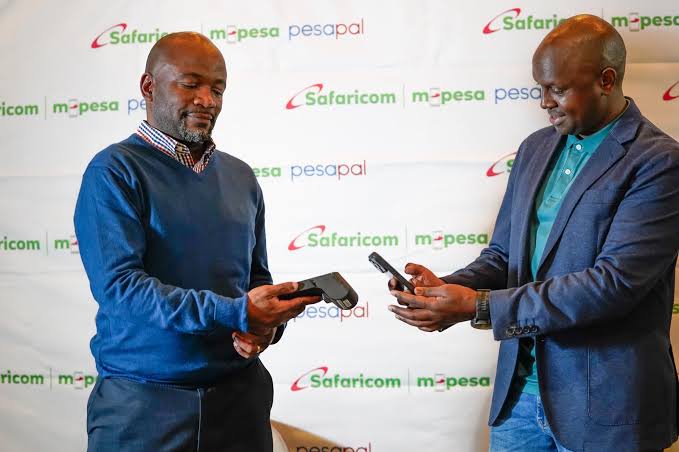
Safaricom, the operator of the world‑famous M‑Pesa mobile money service, has announced a partnership with Pesapal that will enable the company to embed M‑Pesa contactless payments into 30,000 of Pesapal’s existing point‑of‑sale (POS) terminals across the region. The move is designed to broaden the reach of M‑Pesa without the need for Safaricom to invest in building a separate POS infrastructure.
How the Partnership Works
The arrangement allows Safaricom to place its M‑Pesa payment solution onto the hardware owned by Pesapal, a leading provider of digital payment terminals in East Africa. According to TechCabal, the partnership will see M‑Pesa integrated into the checkout systems already in use by retailers, supermarkets and service providers, enabling customers to tap their phones or cards to complete transactions.
Benefits for Merchants
Merchants who currently use Pesapal terminals will gain immediate access to M‑Pesa’s extensive user base without any additional setup costs. The integration is expected to streamline payment processing, reduce the need for multiple payment solutions, and increase transaction volumes for retailers who already accept M‑Pesa as a cash‑less option.
Impact on the Digital Payments Landscape
The collaboration reflects a growing trend of interoperability between mobile money platforms and traditional POS providers. By leveraging Pesapal’s network, Safaricom can accelerate the adoption of contactless payments in markets where physical card usage remains limited. The partnership also positions M‑Pesa to compete more effectively with other regional digital wallets that have begun to explore similar integrations.
What to Watch Next
Industry observers will be looking for the rollout timeline and the geographic spread of the integrated terminals. Additionally, the partnership may influence pricing models for POS usage and could prompt other mobile money operators to seek similar collaborations. The success of the initiative will likely be measured by the uptake rate among merchants and the volume of transactions processed through the new contactless channel.
According to TechCabal, the partnership will allow Safaricom to expand its M‑Pesa contactless offering without building a new POS network.
Readers should follow the original source for developing details.
What this means for Tanzanian businesses
For Tanzanian businesses, the partnership shows how payment companies can expand digital payment options by working with existing POS networks instead of building new infrastructure from scratch. A similar approach could make it easier for shops, supermarkets, restaurants, pharmacies, and other businesses to accept different mobile money and contactless payment options through a single terminal.
This could also be relevant for Tanzanian businesses that still depend heavily on cash. As customers become more comfortable with mobile and contactless payments, merchants with flexible payment systems can make checkout faster and reduce the need to handle large amounts of physical cash.
For local POS providers and fintech companies, the development is another sign that interoperability will become increasingly important. Rather than offering merchants separate devices for every payment service, businesses may increasingly expect one POS system to support multiple payment methods. Tanzanian technology providers that build flexible POS and payment solutions could benefit from this shift as digital transactions continue to grow.
- Will this partnership increase transaction fees for merchants?
- How will the integration affect consumer adoption of contactless payments?
- What regulatory approvals are required for this expansion?
Reviewed by a JamiiTek editor before publishing. AI tools help with research and first drafts; people check the facts and write the analysis. Our editorial policy & corrections