Supreme Court clears Trump’s use of voter‑citizenship database
The U.S. Supreme Court has approved former President Trump’s request to use a contested voter database for citizenship verification, a move that critics say could jeopardise the inclusion of legitimate voters.

Supreme Court Decision
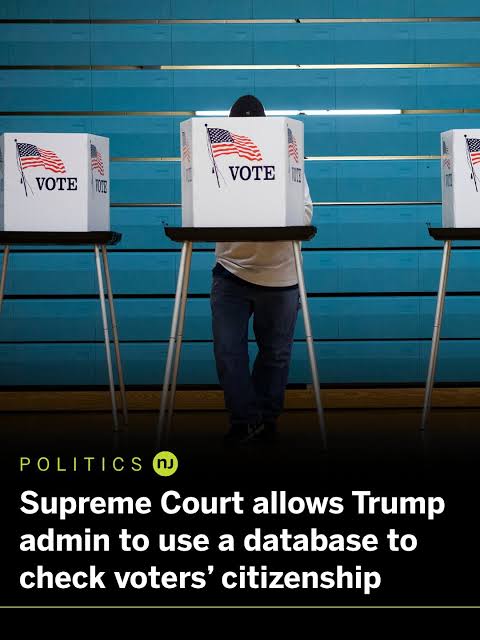
In a recent ruling, the U.S. Supreme Court granted former President Donald Trump permission to employ a controversial database to verify voter citizenship. According to BBC News, the decision was reached after a legal challenge that questioned whether the database could be used without infringing on voting rights. The Court’s approval effectively clears the way for the database to be used in upcoming electoral processes.
The Controversial Database
The database in question has been a point of contention for several years. It compiles information from a range of federal and state records, including immigration and tax data, to flag voters who may not be U.S. citizens. The system was first introduced during the Trump administration as part of a broader effort to tighten voter eligibility checks. While supporters argue it helps maintain the integrity of elections, opponents contend that its methodology is flawed and may lead to wrongful removal of eligible voters.
Reliability Concerns
Critics of the database have highlighted significant reliability issues. According to BBC News, concerns center on the database’s data sources, which may contain inaccuracies or outdated information. “There is a real risk that legitimate U.S. citizens could be incorrectly flagged and subsequently removed from electoral rolls,” a civil‑rights advocate said in a statement. The potential for disenfranchisement has sparked alarm among voting‑rights groups, who warn that the database could disproportionately affect minority communities.
Implications for Elections
With the Supreme Court’s approval, the database could be deployed in the next cycle of federal and state elections. The move raises questions about the balance between safeguarding electoral integrity and protecting voters’ rights. If the database’s errors are not addressed, there is a possibility that thousands of eligible voters could be disenfranchised. Election officials will need to monitor the system closely to prevent accidental removal of legitimate voters.
What to Watch Next
As the database is set to be used, several developments are likely to unfold. First, legal challenges may arise from advocacy groups seeking to block or modify the database’s application. Second, state election boards may implement additional safeguards, such as manual verification processes, to mitigate the risk of erroneous voter removal. Finally, the public will be watching how the database’s performance affects voter turnout and confidence in the electoral system.
Readers are encouraged to follow the original source, BBC News, for developing details on this story.
Reviewed by a JamiiTek editor before publishing. AI tools help with research and first drafts; people check the facts and write the analysis. Our editorial policy & corrections