Tanzania’s 14 Mining Projects Open New Opportunities for Local Firms
The government urges local companies to collaborate as 14 major mining projects progress, potentially boosting a procurement market worth 5.1 trillion Tanzanian shillings annually.

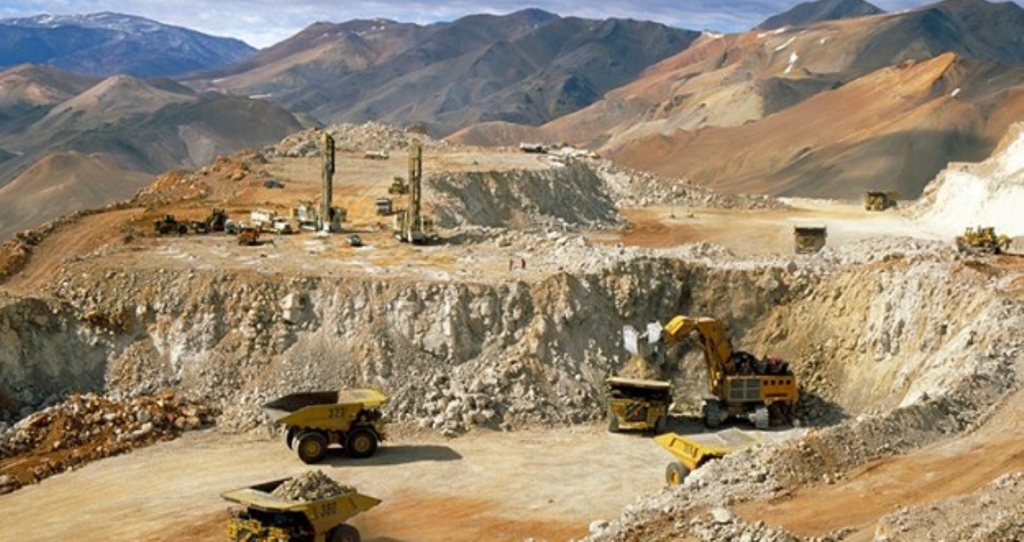
In a push to harness the growth of Tanzania’s mining sector, the government has called on local businesses to pool capital, technology and expertise as 14 major projects move through the development pipeline. The move could expand an industry procurement market already valued at about 5.1 trillion Tanzanian shillings a year, according to a report by Daily News.
Government Call to Action
The Minerals Ministry, through the Geita Mining and Investment Authority (GEITA), has issued a directive for Tanzanian firms to collaborate more closely. Minister for Minerals Anthony Mavunde emphasized that local companies must strengthen their capabilities to compete for contracts linked to the new projects. While the minister’s full remarks were not published, the call stresses the need for shared resources and technical know‑how.
The 14 Projects and Market Potential
These projects span a range of minerals, including gold, copper, cobalt and nickel. They are currently at various stages of feasibility studies, environmental assessments and licensing. The cumulative value of the procurement market—equipment, services, and supplies—has been estimated at roughly 5.1 trillion shillings annually. If the projects reach full production, the sector could see a significant uptick in demand for local goods and services.
Implications for Local Firms
Local enterprises are advised to form consortiums that combine financial resources, technical expertise and market knowledge. By doing so, they can position themselves to secure contracts for construction, maintenance, logistics and other support services. The government’s encouragement signals a shift toward a more inclusive supply chain, potentially reducing reliance on foreign suppliers.
Next Steps and Watchpoints
Companies should monitor the licensing process closely, as the final approval of each project will determine the exact scope of procurement needs. Additionally, firms must stay informed about any changes in regulatory frameworks that could affect partnership structures or bidding procedures. The Ministry will likely release further guidelines on consortium formation and eligibility criteria in the coming months.
Readers are encouraged to follow Daily News for developing details on the mining projects and related policy updates.
What this means for Tanzanian businesses
The planned mining projects could create a major opportunity for Tanzanian businesses, particularly SMEs that can supply equipment, transportation, construction, maintenance, catering, security, technology and other support services. With the mining procurement market estimated at about 5.1 trillion Tanzanian shillings annually, even a small share of this spending could represent significant revenue for capable local companies.
However, many SMEs may struggle to compete for large contracts because they lack sufficient capital, equipment or technical capacity. This is where consortiums could become important. Instead of competing individually, businesses with complementary strengths can combine their resources—for example, one company providing financing, another technical expertise, and another logistics or local market knowledge. Such partnerships can make smaller firms more capable of meeting the requirements of major mining projects.
For business owners, the opportunity is to start preparing before contracts are announced. Companies should ensure that their registration, tax compliance, financial records, certifications, safety standards and company profiles are in order. They should also identify what they can supply to mining operators and consider forming partnerships with businesses that fill their capability gaps.
The development of these projects could therefore have effects beyond mining itself. Increased demand from mining operations could create opportunities for transport companies, engineering firms, technology providers, manufacturers, food suppliers, accommodation businesses and other service providers. For Tanzanian SMEs, the key question will not simply be whether mining investment is increasing, but whether local businesses are organised and prepared enough to capture a meaningful share of the resulting supply-chain opportunities.
- How will the new projects affect the procurement market for Tanzanian SMEs?
- What steps can local firms take to form effective consortiums?
- Will the government provide incentives for local participation in mining contracts?
Reviewed by a JamiiTek editor before publishing. AI tools help with research and first drafts; people check the facts and write the analysis. Our editorial policy & corrections