Tanzania Connects Over 1 Million Households to Power
More than one million Tanzanian households are now linked to electricity, with Dar es Salaam and Pwani regions recording the highest consumption at about 800 MW. The move follows the launch of a new financing scheme.

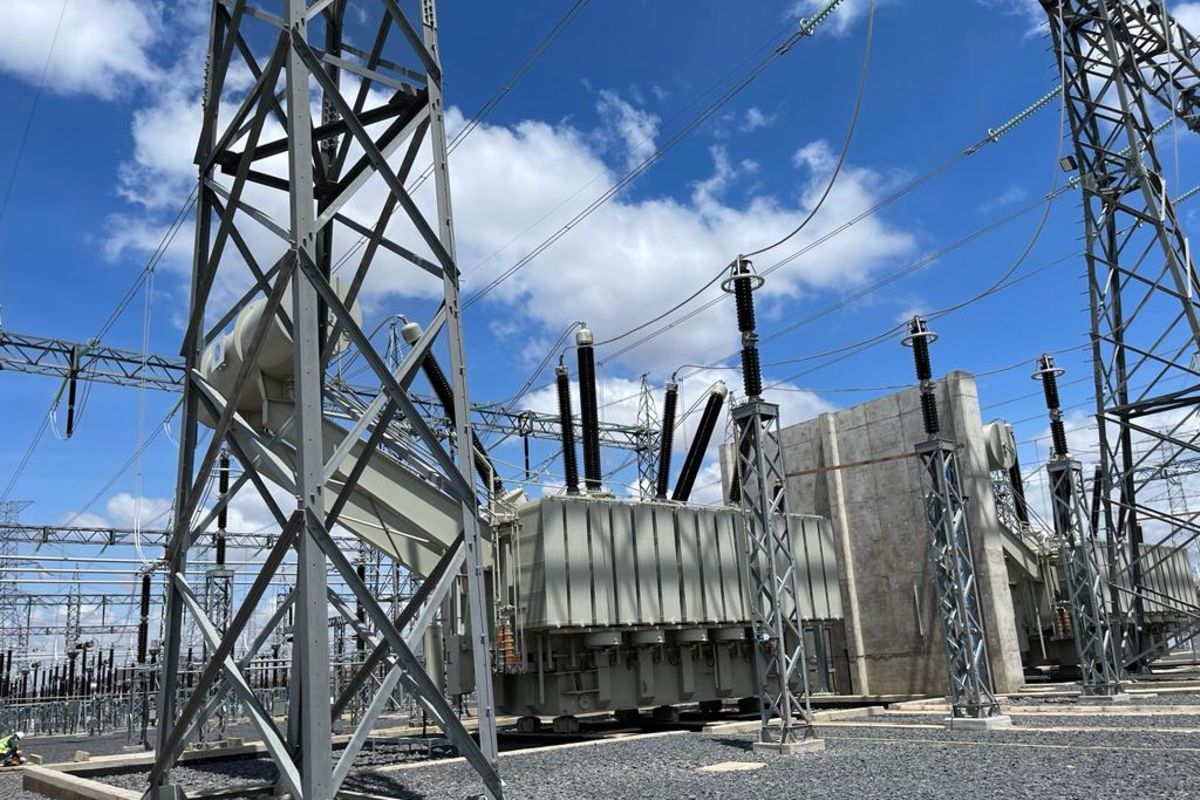
In a landmark announcement in Dar es Salaam, Tanzania has linked over one million households to the national power grid, the Daily News reports. The move, part of a broader effort to electrify the country, saw the capital and the neighbouring Pwani (Coast) region consume roughly 800 MW of power, the highest in the nation.
Scale of the Connection Drive
The figure of more than one million connected homes reflects a sustained push by the government to expand access to electricity across both urban and rural areas. According to the Daily News, this milestone comes after years of investment in transmission and distribution infrastructure, as well as targeted subsidies for low‑income households.
Financing Scheme Launch
During the signing ceremony, Dar es Salaam Regional Commissioner Albert Chalamila unveiled the Electricity Connection Financing Scheme. The scheme, aimed at reducing upfront costs for households, offers low‑interest loans that enable families to pay for connection fees over time. While the Daily News does not detail the exact loan terms, it notes that the program is intended to accelerate electrification in underserved communities.
Regional Consumption Highlights
Dar es Salaam and Pwani regions now account for the bulk of the country’s electricity consumption. The Daily News cites figures of approximately 800 MW for each region, underscoring the growing demand in these densely populated areas. The high consumption levels are expected to drive further investment in generation capacity and grid upgrades.
What’s Next for Tanzania’s Energy Sector?
The government has indicated that the financing scheme will be rolled out nationwide, with a focus on rural districts that have yet to receive reliable power. In addition, plans are underway to expand renewable energy projects, particularly solar, to complement the grid and meet the rising demand. The Daily News reports that officials will monitor the scheme’s uptake and adjust terms as needed to ensure affordability.
"The electrification of over a million households marks a significant step toward inclusive growth," the Daily News notes, citing statements from regional authorities.
Readers are encouraged to follow the original Daily News coverage for further updates on the financing scheme and nationwide electrification plans.
What this means for Tanzanian businesses
The connection of more than one million households to the national electricity grid could create significant opportunities for Tanzanian businesses. Greater access to reliable electricity can increase household purchasing power, support new businesses and allow existing enterprises to operate for longer hours without depending heavily on alternative sources of power.
Small and medium-sized businesses are likely to benefit directly from improved electricity access. Shops, salons, restaurants, workshops, small manufacturers, food-processing businesses and technology-based enterprises can use electricity to expand their operations, introduce new equipment and improve productivity. Businesses in areas that previously had limited access to reliable power could have an even greater opportunity to grow.
The Electricity Connection Financing Scheme could also reduce one of the barriers faced by households and potential entrepreneurs: the upfront cost of connecting to the grid. As more families gain access to electricity, demand could increase for electrical appliances, refrigeration equipment, internet services, electronics, solar backup systems and other energy-related products and services.
For entrepreneurs, this creates an opportunity to identify businesses that can serve newly electrified communities. Local companies could provide electrical installation, equipment maintenance, appliance sales, charging services, internet connectivity and other services that depend on reliable electricity.
However, rising electricity consumption will also require businesses to plan carefully around energy costs and reliability. Companies that depend heavily on electricity should consider energy-efficient equipment and backup solutions where necessary. If grid expansion is accompanied by continued investment in generation, transmission and distribution infrastructure, Tanzania could see electricity access become an increasingly important driver of business growth and economic activity.
- How will the financing scheme affect household energy costs?
- What measures are in place to ensure grid stability amid increased consumption?
- Will the program extend to rural regions in the near future?
Reviewed by a JamiiTek editor before publishing. AI tools help with research and first drafts; people check the facts and write the analysis. Our editorial policy & corrections