PM Nchemba Becomes First Non‑Anglican Lay Canon in Tanzania
Prime Minister Dr Mwigulu Nchemba was formally installed as a Lay Canon of the Anglican Church of Tanzania on 4 October 2026, marking a historic first for the church’s honorary ranks.

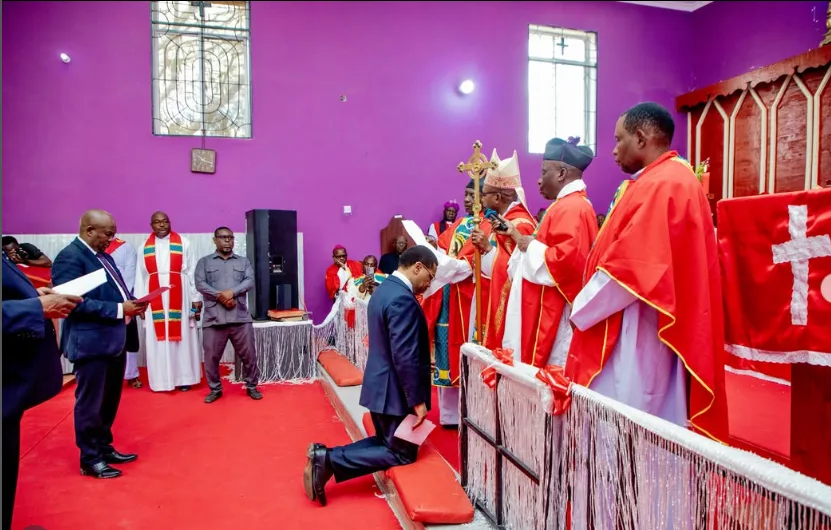
Prime Minister Dr Mwigulu Nchemba was formally installed as a Lay Canon of the Anglican Church of Tanzania on 4 October 2026, a ceremony that took place during a Holy Mass at Christ the King Cathedral in Tanga. According to Daily News, Nchemba is the first individual from outside the Anglican denomination to receive the honorary title.
What is a Lay Canon?
A Lay Canon is a distinguished layperson who is honored by the church for significant contributions to its mission. The title does not confer clerical authority but carries symbolic recognition and a role in supporting church activities. Daily News notes that the position has traditionally been reserved for members of the Anglican faith.
The Significance of the Appointment
Nchemba’s installation represents a notable step in the Anglican Church’s outreach beyond its traditional boundaries. By appointing a non‑Anglican to an honorary role, the church signals an openness to interfaith collaboration and a broader engagement with national leaders. Daily News reports that this move may strengthen ties between the church and the government, fostering dialogue on social and moral issues.
Context: The Anglican Church in Tanzania
The Anglican Church of Tanzania is one of the country’s largest Christian denominations, with a history of active involvement in education, health care, and community development. The church’s hierarchy includes bishops, priests, and a council of lay representatives. The introduction of a Lay Canon from outside the denomination is unprecedented, according to the church’s statement cited by Daily News.
Reactions from the Religious Community
While the church’s leadership praised the gesture as a sign of unity, some clergy expressed cautious optimism. Daily News indicates that the decision was met with a mix of support and concern about preserving the church’s doctrinal integrity. Nevertheless, the ceremony was conducted with solemnity, and the Mass concluded with prayers for national prosperity.
Implications for Church‑State Relations
The appointment may influence how religious institutions interact with the state. By honoring the sitting Prime Minister, the Anglican Church could be positioning itself as a key stakeholder in national policy discussions. Daily News suggests that this could lead to increased collaboration on social welfare initiatives.
What to Watch Next
Observers will be looking for any subsequent joint initiatives between the church and government, especially in areas of education and health. Additionally, the impact of this appointment on interfaith dialogue and the perception of the Anglican Church’s inclusivity will be closely monitored.
Readers are encouraged to follow Daily News for developing details.What this means for Tanzanian businesses
The appointment of Prime Minister Mwigulu Nchemba as a Lay Canon highlights the important relationship between religious institutions, government and community development in Tanzania. The Anglican Church and other faith-based organisations are involved in areas such as education, health care, social welfare and community development, creating opportunities for businesses that provide goods and services to these institutions.
For Tanzanian businesses, stronger cooperation between the government and religious institutions could create opportunities in sectors such as construction, technology, transportation, education services, healthcare supplies, financial services and property development. Religious institutions often manage schools, hospitals, offices, investment projects and other facilities that require private-sector suppliers and professional services.
The government's stated commitment to working with religious institutions could also make the operating environment more predictable for organisations involved in projects with churches and other faith-based institutions. Businesses should therefore pay attention to upcoming projects, procurement opportunities and partnerships involving religious organisations, while maintaining proper registration, tax compliance and professional standards.
More broadly, the appointment also demonstrates how relationships between public institutions and religious organisations can influence community development. If cooperation remains focused on education, healthcare, social services and economic development, Tanzanian businesses could benefit from a wider ecosystem of projects and partnerships serving communities across the country.
- What implications does this appointment have for church‑state relations in Tanzania?
- Will this influence the Anglican Church's engagement with other denominations?
- How might this affect the PM's public image?
Reviewed by a JamiiTek editor before publishing. AI tools help with research and first drafts; people check the facts and write the analysis. Our editorial policy & corrections