JSE Launches 16‑Week Pilot to Make 10 South African Tech SMEs Investor‑Ready
The Johannesburg Stock Exchange and the Technology Innovation Agency have started a 16‑week pilot aimed at transforming ten South African tech SMEs into investment‑ready businesses, opening new markets and attracting capital.

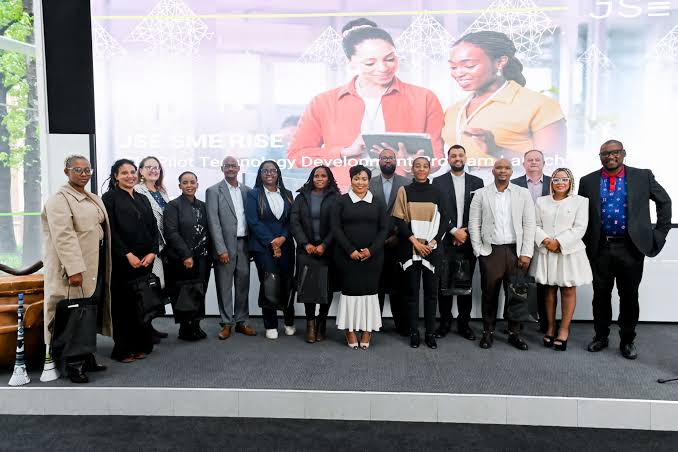
The Johannesburg Stock Exchange (JSE) and the Technology Innovation Agency (TIA) have announced a 16‑week pilot program designed to turn ten South African technology small‑ and medium‑enterprises into investor‑ready firms. According to TechCabal, the initiative seeks to equip participants with the tools, knowledge and connections necessary to access new markets and secure capital from a broader pool of investors.
Context and Objectives
The JSE, South Africa’s largest stock exchange, has long championed the growth of its tech ecosystem. In partnership with the TIA, a government agency that promotes technology innovation, the pilot reflects a growing recognition that many tech SMEs lack the resources and expertise to attract investment. The program’s core objective is to bridge that gap by providing structured support over four months, enabling firms to refine business models, strengthen governance and demonstrate growth potential to potential investors.
Pilot Structure and Support
The 16‑week curriculum combines workshops, mentorship and peer‑learning sessions. Participants will receive guidance on financial modelling, regulatory compliance, and market positioning. The JSE will also facilitate introductions to a network of venture capitalists, angel investors and corporate partners. While the exact schedule remains confidential, TechCabal reports that the pilot will culminate in a showcase event where SMEs present their investment decks to a panel of industry experts.
Potential Impact on the Tech Ecosystem
By making ten SMEs investor‑ready, the pilot could set a precedent for scaling similar programmes across the continent. A more robust pipeline of investment‑qualified tech companies may attract foreign capital, stimulate job creation and drive innovation in sectors such as fintech, healthtech and agritech. Moreover, the partnership between a public exchange and a government agency signals a coordinated effort to nurture homegrown talent and reduce reliance on external funding sources.
What to Watch Next
As the pilot progresses, key indicators will include the number of firms that secure follow‑up funding, the diversity of markets they penetrate, and the sustainability of the support mechanisms. Stakeholders will also monitor how the programme adapts to the specific challenges faced by tech SMEs, such as scaling operations and managing intellectual property. The outcomes of this initiative could influence policy decisions and future investment incentives across South Africa’s technology sector.
“This pilot demonstrates the JSE’s commitment to fostering a vibrant tech ecosystem,” a JSE spokesperson said, according to TechCabal.
For the latest updates, follow the original source.
What this means for Tanzanian businesses
The JSE–TIA pilot offers an important lesson for Tanzanian technology businesses: building a good product is only one part of becoming investment-ready. Tanzanian startups and tech SMEs looking for funding can benefit from strengthening their financial records, governance structures, business models and investor presentations before approaching potential investors.
The programme also highlights the importance of creating stronger connections between technology companies, investors, government institutions and capital markets. For Tanzanian businesses in sectors such as fintech, agritech, healthtech and e-commerce, similar initiatives could help promising companies move from small-scale operations to businesses capable of attracting larger local and international investment.
Business owners should therefore focus not only on increasing sales, but also on maintaining accurate financial statements, documenting business processes, protecting intellectual property and demonstrating measurable growth. These factors can make a company more credible when seeking venture capital, strategic partnerships or other forms of investment.
- Will the pilot include mentorship from established investors?
- What criteria were used to select the 10 SMEs?
- How will the program measure success after 16 weeks?
Reviewed by a JamiiTek editor before publishing. AI tools help with research and first drafts; people check the facts and write the analysis. Our editorial policy & corrections