Truecaller Allows Nigerian Users to Delete Numbers After Privacy Ruling
After a privacy ruling, Truecaller says Nigerians can remove their phone numbers from the platform, following a legal dispute over how the service handles data of non‑users.

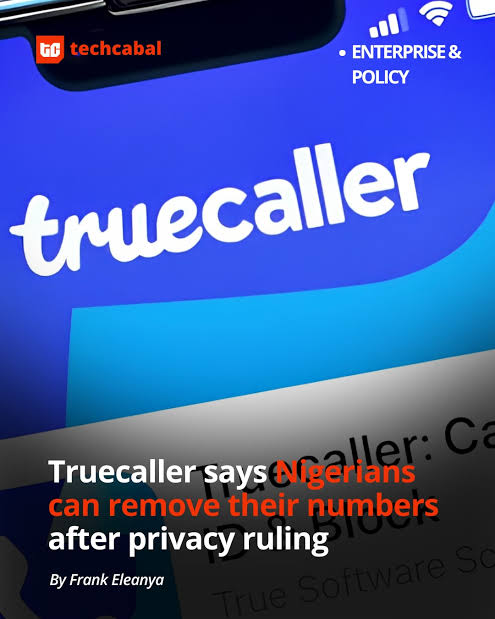
Truecaller, the popular caller‑ID and spam‑blocking app, has announced that Nigerian users can now delete their phone numbers from its database following a recent privacy ruling. The move comes after a legal dispute over how the company processes the numbers and names of people who have not signed up for its service, a story first reported by TechCabal.
Legal Backdrop
The dispute centered on whether Truecaller was permitted to collect and store personal data of individuals who had not opted in. Critics argued that the app’s practice of aggregating phone numbers and associated names violated privacy laws. The Nigerian Data Protection Commission (NDPC) stepped in, issuing a ruling that required the company to provide users with the ability to opt out of data collection and removal.
Truecaller’s Response
In a statement released to TechCabal, Truecaller confirmed that it has updated its privacy settings to allow Nigerian users to delete their phone numbers from the platform. The company said it will also provide a clear opt‑out mechanism for those who wish to remove their data entirely. While the statement did not include a timeline, it emphasized compliance with the NDPC’s directives and a commitment to user privacy.
Implications for Users
For Nigerian consumers, the change means that personal information such as phone numbers and associated contact details will no longer be stored on Truecaller’s servers if they choose to opt out. The app’s core features—caller identification and spam blocking—will remain available, but the data will be limited to users who have explicitly consented. The move is expected to address concerns raised by privacy advocates and could set a precedent for how similar services operate in other African markets.
What to Watch Next
Observers will be looking for how quickly Truecaller rolls out the new opt‑out functionality across its platform. The company may also face further scrutiny from regulators in other jurisdictions if it continues to process data of non‑users. Additionally, the ruling could prompt other tech firms to review their data‑collection practices in Nigeria and beyond.
Readers are encouraged to follow TechCabal for ongoing updates on this developing story.
What this means for Tanzanian businesses
The development in Nigeria is a reminder for Tanzanian businesses that collect customer information to take data privacy seriously. Companies that collect phone numbers, names, email addresses or other personal information should have clear reasons for collecting the data and explain to customers how it will be used, stored and protected.
This is particularly important for businesses using websites, mobile applications, WhatsApp platforms, customer databases and digital marketing tools. As more Tanzanian companies move their operations online, responsible handling of customer information can help reduce privacy risks and strengthen customer trust.
Businesses should also review the third-party services they use to process customer information. CRM systems, messaging platforms, analytics tools and other external services may handle customer data on behalf of a business, making it important to understand what information is being shared and how those providers manage it.
For technology companies and startups, privacy should ideally be considered when a product is being designed rather than added later. Clear privacy notices, appropriate consent mechanisms, secure data storage and practical ways for users to exercise their rights can help businesses build more trustworthy digital services.
For Tanzanian entrepreneurs, the broader lesson is that data protection is becoming an important part of doing business in the digital economy. Companies that build transparent and responsible data practices can be better prepared as regulators and customers place greater emphasis on privacy.
- Will this change affect Truecaller’s global data‑processing policies?
- What steps will Nigerian users need to take to remove their numbers?
- How might this ruling influence other tech companies operating in Africa?
Reviewed by a JamiiTek editor before publishing. AI tools help with research and first drafts; people check the facts and write the analysis. Our editorial policy & corrections