Lisk Exit Leaves Africa’s Web3 Funding Vacuum
Lisk’s withdrawal from African markets has created a void in Web3 investment, as the company’s restructuring cut regional leads and business development roles. TechCabal reports the move marks a significant shift in the continent’s blockchain landscape.

In a move that has sent ripples through Africa’s emerging Web3 ecosystem, Lisk announced a strategic pullback from the continent, resulting in the redundancy of several regional leads and business development positions by May. The decision, according to TechCabal, signals a retreat from the company’s earlier expansion plans and leaves a noticeable gap in local blockchain funding.
Background: Lisk’s African Ambitions
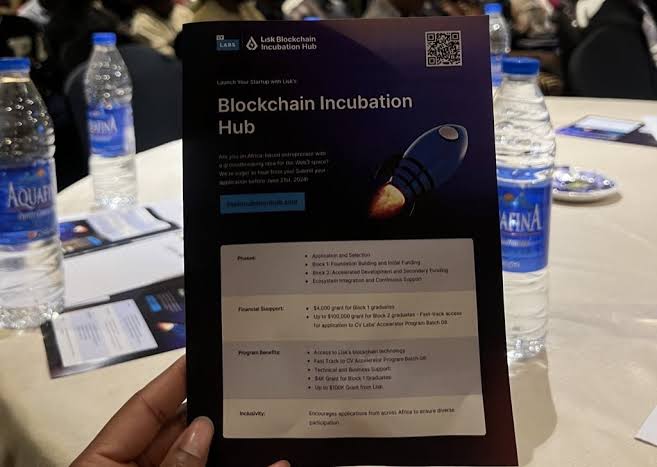
Lisk, a blockchain platform known for its developer-friendly tools, had positioned itself as a key player in Africa’s growing digital economy. The company had established regional offices in Nairobi, Lagos, and Johannesburg, aiming to support local developers, startups, and enterprises in building decentralized applications.
Restructuring and Role Redundancies
TechCabal reports that the restructuring, which culminated in May, resulted in the elimination of several senior roles. The changes specifically targeted Lisk’s regional leads and business development teams, who were instrumental in driving the company’s local engagement strategy.
“The company’s pullback from blockchain expansion has led to a significant reduction in its workforce on the continent,” the outlet noted. The redundancy of these roles underscores the scale of the retreat and the company’s shift in focus.
Impact on Africa’s Web3 Funding Landscape
With Lisk stepping away, local Web3 startups now face a reduced source of investment and mentorship. The platform had previously facilitated funding rounds and provided a network of partners for early‑stage projects. Its withdrawal could slow the momentum of blockchain innovation in key markets.
Industry observers suggest that the vacuum may prompt other international players to step in, but the immediate effect is a slowdown in capital flow to nascent projects. TechCabal highlights that the loss of a major regional player may also affect the ecosystem’s ability to attract further foreign investment.
Regional Response and Future Outlook
Regional blockchain communities have expressed concern over the sudden loss of a major partner. While some local firms are exploring alternative funding avenues, the overall sentiment is one of uncertainty. The withdrawal raises questions about the sustainability of blockchain initiatives that relied on Lisk’s support.
According to TechCabal, the broader Web3 community is monitoring the situation closely, as similar trends could emerge in other markets where blockchain firms reassess their regional commitments.
What to Watch Next
- Potential entry of new blockchain investors to fill the funding gap.
- Strategic responses from local startups to secure alternative capital.
- Long‑term effects on the development of blockchain infrastructure across Africa.
As the continent’s digital economy continues to evolve, stakeholders will need to assess how the loss of Lisk’s regional presence influences the broader Web3 trajectory.
For developing details, follow the original source.
What this means for Tanzanian businesses
For Tanzanian businesses, Lisk’s withdrawal may have a limited direct impact on most businesses, but it could affect startups working in Web3, blockchain, and fintech that were looking for funding, partnerships, or technical support. However, the exit of one company does not mean the end of blockchain opportunities in Tanzania. Local startups can reduce this risk by building useful products, exploring different funding sources, and working with both local and international partners. The situation also shows the importance of building sustainable businesses that are not dependent on a single investor or technology company.
- What impact will Lisk’s withdrawal have on local Web3 startups?
- Will other blockchain firms fill the funding gap in Africa?
- How will this affect regional development teams?
Reviewed by a JamiiTek editor before publishing. AI tools help with research and first drafts; people check the facts and write the analysis. Our editorial policy & corrections