Kenya’s Payments Revolution: From M‑Pesa to Card Scheme
Kenya's mobile-money boom, led by M‑Pesa, reshaped the economy, but a new domestic card scheme forces policymakers to rethink the future of payments beyond the mobile network.

M‑Pesa's Legacy
Kenya’s mobile-money platform, launched in 2007, has become the backbone of financial transactions for millions of users. TechCabal reports that the service enabled people to send money, pay bills and access credit without a bank account, thereby accelerating financial inclusion across the country. The model also created a vast network of agents and a robust ecosystem of service providers that rely on the platform for everyday commerce.
The Rise of a Domestic Card Scheme
In recent years, Kenyan regulators and industry players have begun to push for a domestic card network that would operate alongside mobile money. TechCabal notes that the initiative aims to diversify payment options and reduce dependence on foreign card issuers. The proposed scheme would allow merchants to accept card payments locally while still enabling cross‑border transactions through existing global networks.
Implications for the Payments Landscape
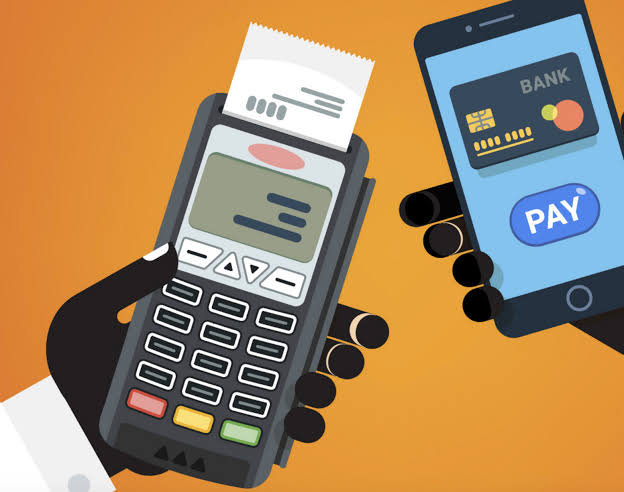
With a card network in place, the payments ecosystem could become more layered. TechCabal indicates that mobile money operators may need to adapt their infrastructure to support card‑based transactions, potentially leading to new partnership models. The shift could also influence how small businesses manage cash flow, as card payments tend to offer faster settlement times compared to traditional mobile money transfers.
Another consequence highlighted by the outlet is the potential impact on financial inclusion. While mobile money has already reached remote areas, a domestic card scheme could broaden access to credit and savings products that are traditionally tied to card usage. However, TechCabal cautions that the success of such a system will depend on widespread merchant acceptance and consumer trust in card security.
What to Watch Next
Observers will be keen to see how the regulatory framework evolves to accommodate the new card network. TechCabal points out that clear rules around interoperability, fee structures and consumer protection will be crucial for a smooth rollout. Additionally, the interaction between the card scheme and existing mobile money services will shape the future of digital payments in Kenya.
Follow the original source for developing details.What this means for Tanzanian businesses
Kenya’s move toward a domestic card scheme could have implications beyond its borders, particularly for businesses involved in East African trade. Tanzanian companies that serve Kenyan customers or operate across the region may eventually benefit from more payment options and potentially smoother digital transactions between businesses and consumers.
For Tanzanian SMEs, the development also highlights the importance of accepting multiple digital payment methods. Businesses that combine mobile money, bank transfers and card payments can make it easier for different types of customers to complete transactions, particularly as consumers increasingly expect convenient cashless payment options.
The growth of alternative payment networks could also create opportunities for Tanzanian fintech companies and developers. Local technology firms can explore payment integration, merchant-management platforms, digital wallets, accounting systems and other services that connect businesses to an increasingly diverse payments ecosystem.
Cross-border compatibility will be particularly important for businesses involved in tourism, e-commerce, logistics and regional trade. If payment systems across East Africa become more interoperable, businesses could potentially reduce some of the friction associated with receiving payments from customers in neighbouring countries.
For Tanzanian business owners, the broader lesson is clear: digital payments are becoming an increasingly important part of business infrastructure. Companies should monitor developments in mobile money, card networks and regional payment interoperability while ensuring that their payment systems remain secure, reliable and convenient for customers.
- What challenges does the domestic card scheme pose for existing mobile money operators?
- How might the new card scheme affect cross-border payments in East Africa?
- Will the shift influence financial inclusion rates?
Reviewed by a JamiiTek editor before publishing. AI tools help with research and first drafts; people check the facts and write the analysis. Our editorial policy & corrections